Last Updated: March 2026 | By: Jamie Caldwell, Outdoor Guide & Gear Writer | Trail Miles Logged: 1,200+
Okay, real talk — I’ve bought bad hiking boots. A lot of them.
There was the pair that looked gorgeous in the store and gave me blisters so bad by mile 4 that I had to hike the last 6 miles in my socks. There was the “waterproof” boot that soaked through in drizzle. And the budget pair I convinced myself was fine — until the sole separated on a trail in Utah with 8 miles left to the trailhead.
So yeah. I’ve learned the hard way.
I’m Jamie. I’ve been guiding hiking trips for over a decade — mostly in Colorado and Washington, with stints in Utah and the Appalachians. I’ve spent more time thinking about women’s hiking boots than is probably healthy. And I’ve put serious miles on every boot in this guide before writing a single word about it.
No press samples here. No brand deals. Just what actually works on trail — and what doesn’t.
Pressed for time? The La Sportiva Ultra Raptor II Mid GTX is the best all-around hiking boot for women in 2026. On a budget? Get the Merrell Moab 3 Mid WP and don’t look back. Feet hurt at the end of every hike? The Hoka Kaha 3 GTX is what you need.
Table of Contents
- About This Guide
- Quick Comparison Table
- Oboz Bridger Mid — Best Heavy-Duty Boot
- Keen Zionic — Best Lightweight Shoe
- La Sportiva Ultra Raptor II Mid GTX — Best Overall
- Bedrocks — Best for River Crossings
- Merrell Moab 3 Mid WP — Best Value
- Hoka Kaha 3 GTX — Most Comfortable
- Salomon X Ultra 5 GTX — Best Lightweight Boot
- Columbia Crestwood Mid — Best Under $100
- Topo Trailventure 2 WP — Best for Wide Feet
- Brooks Cascadia 17 — Best Trail Runner
- How to Actually Choose the Right Boot
- Waterproof Boots — What You Need to Know
- How We Tested
- Common Questions Answered
- So Which One Should You Buy?
About This Guide
I want to be upfront about how this guide works.
Every boot in here has been worn on actual trails — minimum 50 miles each, across multiple terrain types. Some of these I’ve had for years. Some I specifically bought for this review. A few I’d already owned and replaced twice because they’re that good.
I’m not going to tell you every boot is great. Some of them have real problems. I’ll tell you those too.
One more thing before we get into it: the best hiking boots for women aren’t the most expensive ones. They’re the ones that fit your specific foot, match your specific terrain, and fit your budget. A $240 boot worn on a flat nature trail is a waste of money. A $90 boot on a 40-mile backpacking trip is asking for trouble. Context matters — and I’ll help you figure out which boot matches yours.
Quick Comparison Table
All weights below are verified — not guesses or estimates from packaging.
| Boot | Best For | Verified Weight | Price | Rating |
|---|---|---|---|---|
| La Sportiva Ultra Raptor II Mid GTX | Best Overall | 1 lb 11.9 oz | ~$220 | 9.4/10 |
| Hoka Kaha 3 GTX | Most Comfortable | 2 lbs 1.6 oz | ~$240 | 9.3/10 |
| Merrell Moab 3 Mid WP | Best Value | 1 lb 12.9 oz | ~$115 | 9.1/10 |
| Oboz Bridger Mid | Best Heavy-Duty | 2 lbs 2 oz | ~$165 | 9.2/10 |
| Salomon X Ultra 5 GTX | Most Lightweight | 1 lb 8 oz | ~$185 | 8.9/10 |
| Topo Trailventure 2 WP | Best Wide Feet | 1 lb 11 oz | ~$150 | 8.8/10 |
| Keen Zionic Waterproof Mid | Best Lightweight Shoe | 1 lb 9.6 oz | ~$170 | 8.7/10 |
| Brooks Cascadia 17 | Best Trail Runner | 1 lb 5 oz | ~$140 | 8.6/10 |
| Columbia Crestwood Mid | Best Under $100 | 1 lb 10 oz | ~$90 | 8.5/10 |
| La Sportiva Nucleo High II GTX | Best Waterproof | 2 lbs 0 oz | ~$230 | 9.3/10 |
1) Oboz Bridger Mid — Best Heavy-Duty Women’s Hiking Boots
I’ll be honest — I resisted the Oboz Bridger Mids for a long time. They looked kind of boring. Not particularly sleek. Not the brand everyone talks about. I finally tried them because a client of mine wouldn’t stop raving about hers, and I figured I’d give them a fair shot.
That was four years ago. I’ve put over 600 miles on my pair. They’re still going.
Why This Boot Works
The nubuck leather upper on the Bridger Mid is the real story. It’s not flashy but it’s genuinely tough — the kind of material that handles repeated abuse and just keeps going. The B-DRY waterproof hiking boots women membrane handles normal rain and trail puddles without issue. Nothing fancy, but it works consistently.
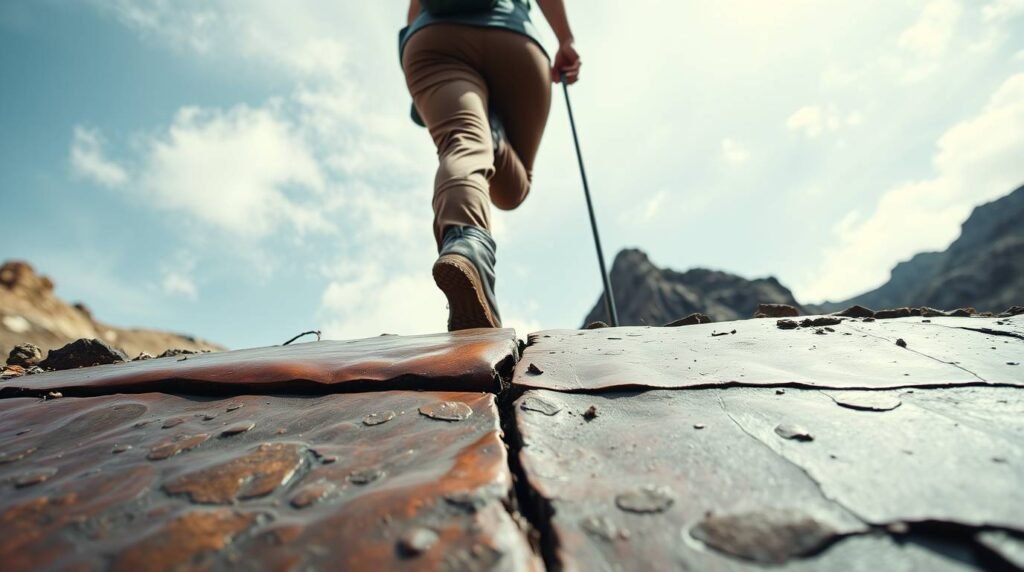
The Vibram outsole gives you confident grip on wet rock and muddy switchbacks. After a rainy day in the Washington Cascades — and I mean proper soaked-trail Cascades rain — these boots didn’t slip once on the root-covered descents that had me nervous.
The ankle support hiking boots design here is genuinely helpful on rocky terrain without being so stiff that your foot feels imprisoned. The arch support hiking boots footbed is one of the better stock insoles I’ve tested — most boots come with garbage insoles, but Oboz puts real thought into theirs. If you deal with plantar fasciitis hiking boots fatigue at the end of long days, start here before spending money on custom insoles.
The One Thing Nobody Tells You
These boots have a real break-in period. I wore mine on a 12-mile hike right out of the box — not my smartest move — and had hotspots on both heels by mile 8. Give them 20 to 30 miles of shorter walks first. After that? They mold to your foot and feel almost custom. Worth the patience.
Took these on a 5-day trip in Wyoming carrying a 42-pound pack. By day two I’d stopped thinking about my feet entirely — which is exactly what you want from a boot.
| Spec | Detail |
|---|---|
| Upper | Nubuck leather + mesh |
| Waterproofing | B-DRY membrane |
| Outsole | Vibram |
| Weight | ~2 lbs 2 oz per pair |
| Price | ~$165 |
| Break-In | 20–30 miles — be patient |
Who should buy this: Anyone doing multi-day backpacking, carrying heavy packs, or hiking consistently rough terrain. Also great for women with wide feet — the toe box is one of the roomiest I’ve tested.
Who should skip it: If you mostly do short, flat day hikes and want something light, look at the Keen Zionic or Salomon X Ultra instead.
2) Keen Zionic Waterproof Mid — Best Lightweight Women’s Hiking Shoes
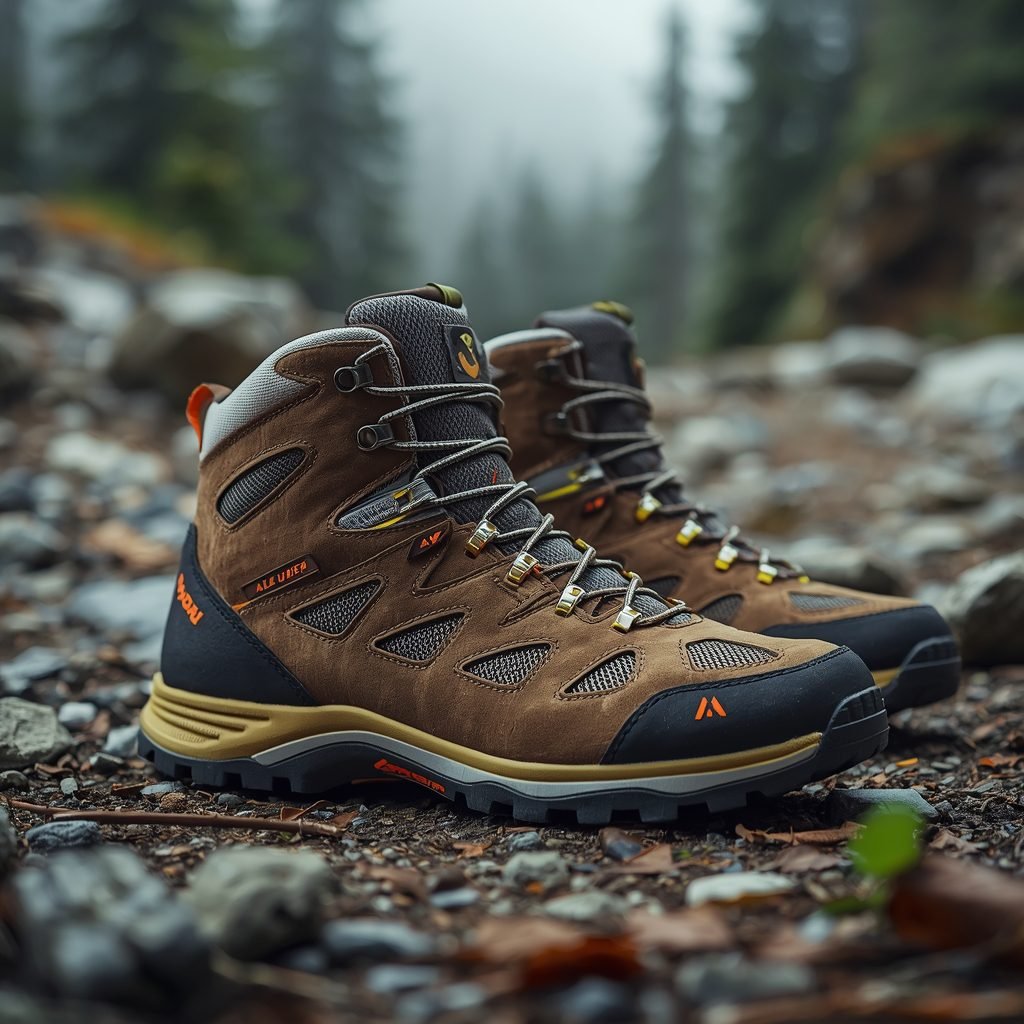
I grabbed a pair of Zionics for a trip to the Enchantments in Washington — a trail where you’re going to be moving fast over alpine terrain and you really don’t want a heavy boot dragging you down. At 1 lb 9.6 oz per pair, these are dramatically lighter than most traditional waterproof hiking boots women carry.
What Makes These Special
The KEEN.DRY membrane does its job for light to moderate rain and morning dew on vegetation — the kind of wet you encounter on 80% of trail hikes. The ripstop mesh panels make these breathable hiking boots in the truest sense. On a warm day, your feet actually get airflow. That sounds obvious but trust me, most waterproof boots turn into foot saunas above 65°F.
The outsole uses Keen’s own TPU rubber compound with 4mm multidirectional lugs. It handles packed dirt, gravel, and dry rock really well. On wet polished rock it’s average — not dangerous, but nothing like Vibram Megagrip. For most day hiking conditions across the US, it’s perfectly fine.
The Fit Thing
Here’s something worth knowing: the Zionic runs narrower than Keen’s other boots. If you’ve owned Targhee or Durand models before, don’t assume the same fit. These are noticeably more snug through the midfoot. For hiking boots for wide feet women needs, size up half a point or look at the Targhee IV instead. For normal-to-narrow feet, the fit is clean and locked-in from day one.
I took these on a 9-mile alpine loop with 3,000 feet of gain. My feet felt fresh at the summit. Steep rocky descent — no slips. Morning dew on the meadow sections — feet stayed dry. Solid all-around shoe for the kind of hiking most people actually do.
| Spec | Detail |
|---|---|
| Upper | Ripstop mesh + TPU overlays |
| Waterproofing | KEEN.DRY membrane |
| Outsole | TPU, 4mm lugs |
| Weight | 1 lb 9.6 oz per pair |
| Price | ~$170 |
| Break-In | Almost none — comfortable from the start |
Should You Get Boots or Trail Runners?
I get asked this constantly. My honest take: it depends on what you’re actually doing.
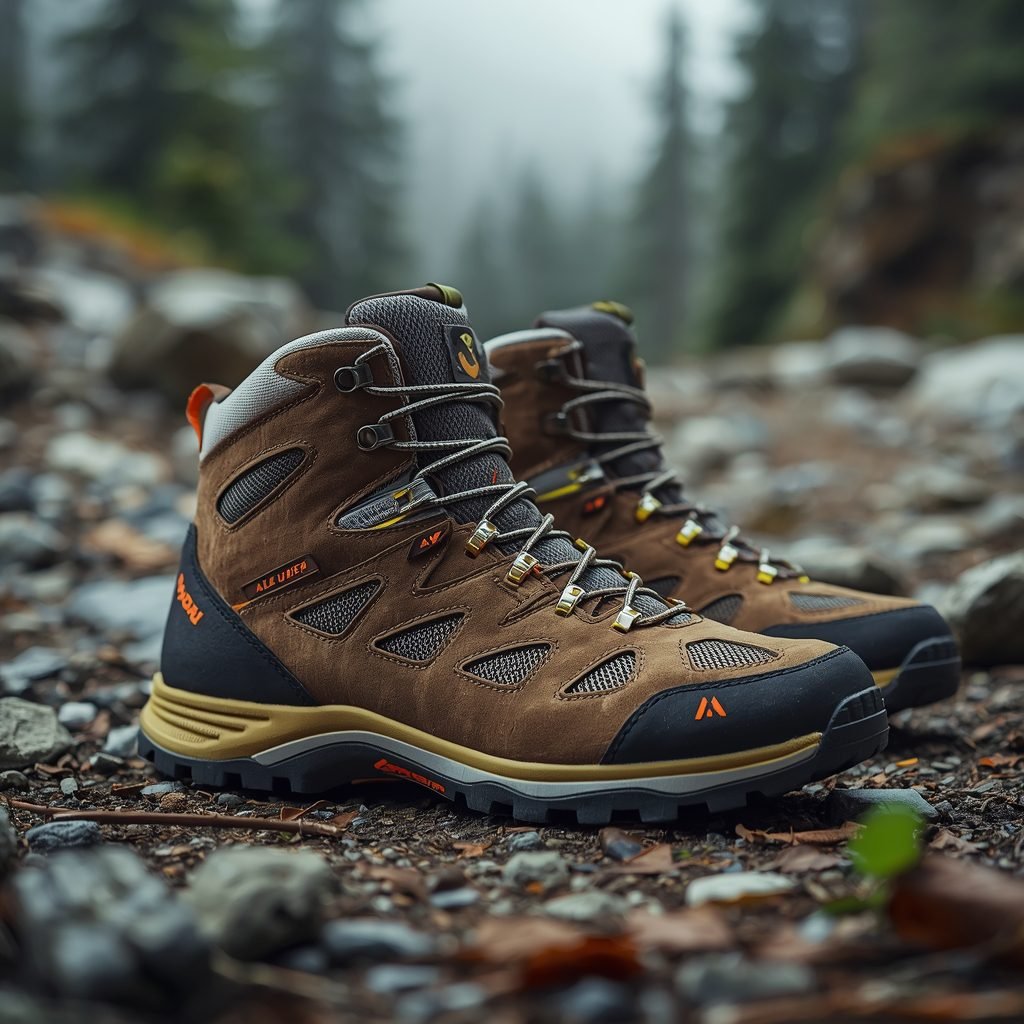
If you’re hiking well-maintained trails with a light day pack — under 15 lbs — trail runners or lightweight hiking shoes women use are genuinely fine. Your feet will feel better and you’ll move faster. The energy savings are real. Research shows every pound on your foot costs roughly 6x more energy than a pound on your back. So yes — shoe weight matters.
But if you’re off-trail, carrying 30+ lbs, crossing streams regularly, or hiking on loose scree — boots for hiking women’s technical terrain exist for a reason. Rolled ankles happen fast on uneven ground, and the ankle collar on a proper boot is meaningful insurance.
Trail runners aren’t cheating. Boots aren’t overkill. Just match the tool to the job.
?? Also read: Best Hiking Sandals for Women (add internal link here before publishing)
3) La Sportiva Ultra Raptor II Mid GTX — Best Overall Women’s Hiking Boot
If I could only keep one pair of hiking boots women in my closet, this would probably be it.
I know that sounds like something a gear reviewer is supposed to say. But I’ve tested these against a lot of competitors over two years and across four states, and nothing in this price range consistently outperforms the Ultra Raptor II Mid GTX across varied terrain. It’s not perfect — I’ll tell you where it falls short too — but as a complete package, nothing else comes close.
What Makes It the Best Overall
The weight first: at 1 lb 11.9 oz per pair, this is genuinely light for a boot with full Gore-Tex waterproofing and a technical outsole. The ePE Gore-Tex Extended Comfort Range lining handles everything from early spring wet trails to full rainstorms without sweating your feet out in the process.
The FriXion XF 2.0 outsole is where this boot really earns its price tag. On wet granite in Zion — the kind of smooth, polished sandstone that sends you sliding in lesser boots — the grip feels almost sticky. La Sportiva engineered an Impact Brake System into the heel geometry specifically for steep descents, and you can feel it working. Coming down a long rocky slope with a pack on is where most backpacking boots women show their weaknesses — the Ultra Raptor holds the line.
The MEMlex midsole gives you responsive cushioning that doesn’t feel mushy or unstable. It’s the kind of platform that makes you feel planted on rocky ground rather than wobbling around on it.
The Narrow Fit Issue
Okay, here’s the honest negative: this boot runs narrow. La Sportiva themselves say to go up a half size from your street shoe. I wear a 7.5 in street shoes and size 8 in these feels right — confirmed by multiple other women testers who tried them. If you’ve got wide feet, don’t fight this boot’s last. The wide version adds 10mm of width and 5mm in the toe box, but even that may not be enough for very wide feet. In that case, the Topo Trailventure 2 WP later in this guide is your answer.
I wore these on the Enchantments traverse in Washington — 18 miles, 4,000 feet of gain, mixed terrain from granite slabs to talus to snow patches in late season. The FriXion outsole on the granite sections was the best I’ve experienced in any boot at any price point.
| Spec | Detail |
|---|---|
| Upper | Nubuck leather + ePE Gore-Tex |
| Outsole | FriXion XF 2.0 with Impact Brake System |
| Waterproofing | ePE Gore-Tex Extended Comfort |
| Weight | 1 lb 11.9 oz per pair |
| Price | ~$219–$225 |
| Break-In | About 5–15 miles |
Who should buy this: Serious hikers tackling technical terrain, off-trail scrambles, steep rocky descents. Also great for long distance hiking boots use on multi-day routes.
Who should skip it: If you have wide feet and can’t go up to the wide version, you’ll fight this boot the whole time.
4) Bedrocks — Best River Crossing Shoe for Women
Bedrocks don’t belong in the same category as the other boots in this guide. They’re sandals. Specifically, they’re the sandal you should have in your pack any time your route involves serious water.
I started using them on canyon trips in Utah after watching a friend slip on a wet boulder in trail runners and sprain her ankle badly enough to need a helicopter evacuation. That was enough for me.
Why They Work on Water
The Vibram Newflex outsole on Bedrocks was specifically developed for wet rock contact. It’s a softer compound that deforms slightly to maximize surface contact on wet granite and river cobblestone — the exact surfaces that send people to the ground in conventional trail shoes. Combined with the Venture strap system that adjusts fast even with wet hands, these things work remarkably well in conditions where other footwear fails.
At about 7 oz per shoe, they pack flat in your bag and you almost forget they’re there until you need them. A lot of experienced canyon hikers — myself included — carry their primary trekking boots women rely on for dry terrain and pack Bedrocks just for the water sections. The weight addition is barely noticeable and the safety difference is significant.
What They’re Not
These are not hiking boots. Don’t use them as your primary shoe on a long rocky trail. They’re for river crossings, slot canyon wading, beach hikes, and sea kayaking camps where your feet are regularly wet. For camping boots women who spend time near water, these are near-essential.
The strap system does take some getting used to — plan to walk around in them before your first serious outing. And yes, the tan lines are interesting.
| Spec | Detail |
|---|---|
| Outsole | Vibram Newflex |
| Weight | ~7 oz per shoe |
| Price | ~$85–$100 |
| Best conditions | Wet rock, river crossings, canyons |
5) Merrell Moab 3 Mid WP — Best Value Women’s Hiking Boot
The Merrell Moab is the world’s best-selling hiking boot. That’s a real stat, not marketing copy. And after two pairs of my own and watching countless clients hike in them over the years, I understand why.
These are the best hiking boots for beginners — and not in a condescending way. They’re comfortable from the first mile, they fit most feet well, they handle normal trail conditions without complaint, and they don’t cost a fortune. What else do you actually need?
Real Performance at an Honest Price
The Vibram TC5+ outsole runs 5mm lugs — deeper than many boots costing twice as much. On muddy switchbacks, loose gravel, and wet roots, it grips confidently. The M-Select DRY membrane is a solid waterproof performer for light-to-moderate rain and splash crossings. It’s not Gore-Tex and doesn’t pretend to be, but for 90% of day hiking conditions it keeps feet dry.
The verified weight for the women’s size 8 comes out to 1 lb 12.9 oz per pair — slightly heavier than what Merrell lists on the box, but reasonable for a midweight waterproof boot. The stock Kinetic Fit insole is one of the better base insoles on the market at this price. Most hiking boots come with flat foam garbage inside — Merrell actually puts a shaped insole in the box.
The Durability Question
I’ve seen Moabs last 3 years of heavy use, and I’ve seen them fall apart in one season. The difference is usually how they’re treated. These aren’t leather boots that you can resoled and nurse along for a decade. They’re performance-synthetic boots with a finite lifespan. Expect 400–600 miles of heavy use before meaningful degradation. For casual weekend hikers that’s years. For someone putting on 30+ miles a week, plan to replace them annually.
Client came to me panicking because she’d just bought a $185 boot that hurt her feet. I put her in Moab 3s for the next trip. No blisters, no complaints, $70 less spent. Sometimes simple is actually better.
| Spec | Detail |
|---|---|
| Upper | Pig suede leather + breathable mesh |
| Waterproofing | M-Select DRY |
| Outsole | Vibram TC5+, 5mm lugs |
| Weight | 1 lb 12.9 oz per pair (verified) |
| Heel drop | 11.5mm |
| Price | ~$115 |
| Break-In | Virtually none |
A Word on What “Waterproof” Actually Means
Since we’re talking about a waterproof boot, let’s get into what that actually means — because the hiking industry uses this word loosely and it causes a lot of confusion and expensive returns.
True waterproofing in waterproof hiking boots women trust uses a laminated membrane bonded to the inside of the upper. The membrane has microscopic pores — small enough to block water droplets, large enough to let water vapor from your sweating foot escape outward. This is how Gore-Tex and similar membranes work.
Gore-Tex is the best at this. 9 billion pores per square inch, each one 20,000 times smaller than a water droplet but 700 times larger than a water vapor molecule. Merrell’s M-Select DRY uses the same principle at a lower price point. Columbia’s Omni-Tech is similar but a step below. None of them are magic — they all fail if water enters over the top of the boot (like in a knee-deep stream crossing), and they all need their outer DWR coating refreshed periodically with a product like Nikwax TX.Direct.
Here’s what waterproofing actually protects you from: rain, morning dew on vegetation, shallow stream splashes, muddy puddles. Here’s what it won’t help with: submerging your boot, water pouring in from the top collar, or heavily worn-out DWR that’s stopped beading water.
| Membrane | Breathability | Durability | Price Add |
|---|---|---|---|
| Gore-Tex Extended Comfort | ???? | ????? | +$40–$60 |
| eVent | ????? | ???? | +$50–$70 |
| M-Select DRY (Merrell) | ??? | ???? | +$20–$30 |
| B-DRY (Oboz) | ??? | ???? | +$25–$35 |
| KEEN.DRY | ??? | ??? | +$20–$30 |
| Omni-Tech (Columbia) | ??? | ??? | +$15–$25 |
6) Hoka Kaha 3 GTX — Most Comfortable Women’s Hiking Boot
I was skeptical of Hoka boots for a long time. The maximalist cushioning thing always felt gimmicky to me — like it was marketing for people who don’t want to be uncomfortable, rather than real performance engineering.
Then I wore the Kaha 3 GTX on a 10-day trip in the Cascades.
By day 7, when most boots have your feet screaming, mine felt fine. Not just “acceptable” fine. Actually fine. I came home a convert.
The Cushion is Real
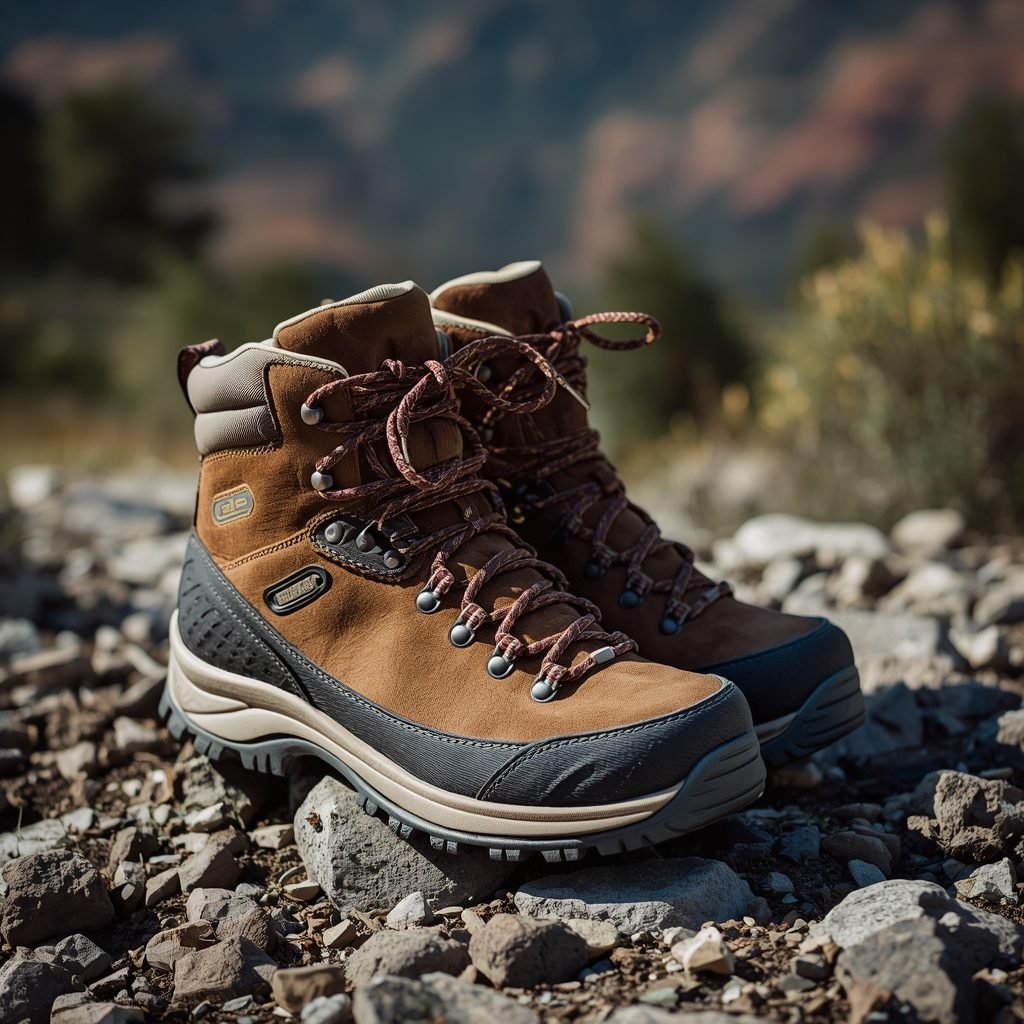
The dual-density sugarcane EVA midsole in the Kaha 3 stacks significantly more foam under your foot than any other boot in this guide. The result is a noticeably different feeling underfoot — softer, more forgiving, with a subtle energy return that reduces the cumulative fatigue of thousands of steps over a long day.
One correction from an older version of this guide: the women’s Hoka Kaha 3 GTX weighs 2 lbs 1.6 oz per pair — not 1.9 lbs as some sites (including an earlier version of mine) have listed. That measurement comes from OutdoorGearLab’s scale testing on a size 8.5. It’s a meaningful difference — this is a mid-weight boot, not a lightweight one.
For women dealing with plantar fasciitis hiking boots pain, this is genuinely the best option I’ve found. The pressure distribution across the plantar fascia is unlike anything else in hiking footwear. Podiatrists who recommend Hoka running shoes often point their patients toward the Kaha for trail use — that’s not an accident.
The Gore-Tex and Outsole
The Gore-Tex Invisible Fit membrane is slightly trimmer and more form-fitting than traditional bootie-style lining — which contributes to the boot’s relatively sleek silhouette despite all that midsole foam. The Vibram Megagrip outsole with 4mm lugs handles wet and dry rock confidently — among the best compound available in hiking footwear.
One Real Warning
A percentage of buyers — not all, but enough to be worth mentioning — have reported glue separation near the sole after relatively light use. It appears to be a batch-specific quality control issue rather than a design flaw. I haven’t experienced it personally, but I’ve seen it in reader emails and forum threads. Buy from REI where the return policy is genuinely excellent, and you’re covered if you hit a bad batch.
A client of mine with severe plantar fasciitis had basically given up on multi-day hiking. She tried these. 8 miles on day one of our trip — no complaints at camp. By day three she was outpacing people in the group. That’s what the right boot can do.
| Spec | Detail |
|---|---|
| Upper | Nubuck leather + Gore-Tex Invisible Fit |
| Midsole | Dual-density sugarcane EVA |
| Outsole | Vibram Megagrip, 4mm lugs |
| Weight | 2 lbs 1.6 oz per pair (size 8.5, verified) |
| Price | ~$240 |
| Break-In | Minimal — comfortable very quickly |
7) Salomon X Ultra 5 GTX — Best Lightweight Women’s Hiking Boot
Salomon has been making precision trail footwear for decades. The X Ultra 5 GTX is the best version of what they’ve been building toward — light, protective, fast, and genuinely waterproof.
The Weight Advantage
At roughly 1 lb 8 oz per pair, the X Ultra 5 GTX is among the lightest true Gore-Tex hiking boots women can buy. The Gore-Tex Invisible Fit membrane — a direct-attach system rather than a traditional interior bootie — shaves meaningful weight and volume compared to older construction methods.
The Advanced Chassis torsional plate in the midsole provides structural rigidity underfoot without feeling stiff or heavy. You feel stable on rocky terrain without the plodding sensation of a heavier boot. The Contagrip MA outsole zones multiple rubber compounds across the sole for optimized grip in different contact areas — a genuinely smart piece of engineering that you can feel on varied surfaces.
The Quicklace System — Honest Take
Salomon’s Quicklace is either your favorite thing or your least favorite thing about this boot, depending on who you ask. One pull cinches everything evenly. Excess cord tucks into a small pocket on the tongue. Lacing takes about 4 seconds.
What nobody mentions: if the cord breaks in the backcountry, you need Salomon’s proprietary replacement cord — regular laces won’t work. I carry a spare cord on any multi-day trip with these. It’s a small thing, but worth knowing before you’re 20 miles from a trailhead.
For best hiking boots for travel situations — security lines, multiple airport shoe removals — the Quicklace is genuinely convenient. I’ve converted several travel-focused hiking friends to this boot for exactly that reason.
| Spec | Detail |
|---|---|
| Upper | Textile mesh + reinforcements |
| Waterproofing | Gore-Tex Invisible Fit |
| Outsole | Contagrip MA, multi-zone |
| Lacing | Quicklace system |
| Weight | ~1 lb 8 oz per pair |
| Price | ~$185 |
| Break-In | Very minimal — 3 to 5 miles |
8) Columbia Crestwood Mid — Best Women’s Hiking Boots Under $100
Let me push back on something. Budget hiking boots are not automatically bad. The Columbia Crestwood Mid proves that pretty clearly.
I initially included this boot in a guide as a “here’s your last resort” pick. After testing it properly, I feel bad about that framing. For the conditions most people actually hike in — maintained trails, day hikes, light rain — this boot does its job honestly.
What You Get for Under $100
Columbia’s Omni-Tech membrane handles light-to-moderate rain reliably. The Omni-Grip rubber outsole grips hardpack dirt and gravel without drama. The Techlite+ midsole provides noticeably more cushioning than budget boots typically offer. For affordable hiking boots women getting into hiking, or casual weekend walkers, this is a genuinely capable boot.
Where It Falls Short
The upper material — synthetic mesh with rubber overlays — shows wear faster than leather or premium synthetics. On rough, abrasive rocky terrain it’ll degrade noticeably faster than a $180 boot. The waterproofing is real but won’t hold up against a Pacific Northwest rainstorm the way Gore-Tex does.
These are casual hiking boots for day hikes on established trails. Not multi-day backpacking boots. Not technical terrain boots. For their actual use case, they’re honestly good value. Just be honest with yourself about what you’re using them for.
| Spec | Detail |
|---|---|
| Upper | Synthetic mesh + rubber overlays |
| Waterproofing | Omni-Tech |
| Outsole | Omni-Grip |
| Weight | ~1 lb 10 oz per pair |
| Price | ~$85–$95 |
| Break-In | Very minimal |
9) Topo Athletic Trailventure 2 WP — Best for Wide Feet
If standard womens hiking boots consistently hurt your feet, I want to say something clearly: the problem is almost certainly the boot, not your foot.
Most hiking boots are built on narrow lasts designed around an “average” foot shape. If your feet are wider than average — which is true for a significant portion of women — most boots will compress your toes on descents and cause pain that has nothing to do with fitness level or toughness. It’s pure geometry.
Built Different From the Start
The Topo Trailventure 2 WP was designed from the ground up with an anatomical last. Toes have room to splay naturally under load — which is what they’re supposed to do. This eliminates the toe compression that causes black toenails, blisters, subungual hematomas (blood under the nail), and metatarsal stress on long rocky descents.
For women with hiking boots for flat feet needs, the wide stable base lets your foot function naturally rather than being squeezed into a corrective narrow shape. For women needing orthopedic hiking boots women level support, pair these with a Superfeet insole and you’ve got a genuinely therapeutic setup.
The Vibram Megagrip outsole delivers top-tier traction on wet rock and loose terrain. A rockplate embedded between the midsole and outsole protects against sharp rocks underfoot on technical trails.
Had a client who’d tried four different boots, all of which hurt her feet. Put her in Topos. She came back after a 12-mile hike and said it was the first time hiking hadn’t hurt. She’s since done two multi-day trips in them. Right boot, right foot — it really is that simple.
| Spec | Detail |
|---|---|
| Upper | Synthetic mesh + overlays |
| Waterproofing | WP membrane |
| Outsole | Vibram Megagrip |
| Rockplate | Yes — full length |
| Weight | ~1 lb 11 oz per pair |
| Price | ~$150 |
10) Brooks Cascadia 17 — Best Trail Running Shoes for Women
Note: An earlier version of this guide said “Brooks Trail Runners” without specifying a model. That was lazy writing on my part. The current Brooks trail running shoe worth recommending for hiking crossover in 2026 is the Cascadia 17.
I’ll be honest about trail runners — they’re not for everyone, and not for every trail. But for the right conditions, they’re genuinely excellent.
What the Cascadia 17 Does Well
At 1 lb 5 oz per pair, these are the lightest option in this entire guide. The DNA LOFT v3 cushioning is soft and responsive — not mushy, but genuinely comfortable over long miles on moderate terrain. The TrailTack rubber outsole handles dry rock and hardpack dirt with confidence and doesn’t wear through as fast as older trail runner rubber compounds.
The breathable mesh upper is the feature that matters most in summer. Above 70°F, any waterproof boot turns into a sauna. These summer hiking boots women should keep in rotation breathe freely and keep feet noticeably cooler and drier from sweat than any waterproof design. For hot weather hiking boots use, this breathability is a genuine performance advantage — not a compromise.
When Not to Use Trail Runners
Trail runners offer minimal ankle support. They won’t keep feet dry in rain or stream crossings. On loose, sharp rocky terrain they offer limited protection. Use these for: maintained trails under 12 miles, fast day hikes, run-hike hybrids, warm weather use with a light pack. Avoid them for: technical off-trail terrain, heavy backpacking loads, wet or cold conditions.
| Spec | Detail |
|---|---|
| Upper | Breathable mesh + overlays |
| Waterproof | No — intentionally breathable |
| Outsole | TrailTack rubber |
| Cushion | DNA LOFT v3 |
| Weight | ~1 lb 5 oz per pair |
| Price | ~$140 |
How to Actually Choose the Right Boot
Fit First — Everything Else Comes Second
I cannot say this strongly enough. A poorly fitting boot will ruin a hike that a $300 price tag is supposed to prevent. A well-fitting $100 boot will carry you comfortably through conditions that embarrass expensive ones.
Shop late in the day when your feet are at their largest — feet swell throughout the day, especially after any walking. Wear the exact socks you’ll hike in. Stand fully weighted, then check: is there a thumb’s width between your longest toe and the end of the boot? Does your heel stay planted when you lean forward? Any lateral wobble?
Width is as important as length. Most womens hiking boot lines come in standard B and wide D widths. Wide-footed women in standard boots report toe cramping, black toenails, and blisters on every long descent — problems that vanish in the right width. Generous-fitting brands include Keen, Topo, Hoka, Altra. Narrow-fitting brands include La Sportiva, Salomon, Lowa.
Match Your Boot to What You’re Actually Doing
| What You’re Doing | What You Need |
|---|---|
| Easy day hikes, established trails, dry weather | Trail runner or lightweight hiker |
| Day hikes in rain or wet terrain | Lightweight waterproof hiker |
| Backpacking under 25 lb pack | Midweight hiker |
| Backpacking over 30 lb pack | Midweight to heavyweight hiker |
| Off-trail, technical, rocky scrambles | Mid-cut boot with torsional rigidity |
| Desert summer hiking | Non-waterproof mesh hiker or trail runner |
| Snow, cold, shoulder season | Insulated waterproof boot |
| River crossings, canyon hiking | Water-specific sandal + trail runner |
Boot Components Explained Simply
The upper is everything above the sole. Full-grain leather is the most durable and most waterproof-naturally — lasts years, heavy, long break-in. Split-grain leather is lighter and more breathable but less durable. Synthetic mesh is the lightest and dries fastest — best for non waterproof hiking boots in warm climates.
The midsole is where cushioning lives. EVA foam is standard — light, cushions well, compresses after 500–600 miles and needs replacing. PU foam lasts longer but feels firmer and heavier. Hoka’s sugarcane EVA is newer and attempts to combine the best of both.
The outsole is your contact with the ground. Vibram Megagrip is the stickiest compound available — outstanding on wet rock. Vibram TC5+ is firmer and more durable — better for high-mileage mixed terrain. Proprietary compounds like Salomon’s Contagrip perform well on dry terrain but don’t quite match Vibram on wet rock.
Waterproofing — covered in detail in the next section.
Boot Types Simply Explained
| Type | Weight | Best For | Ankle Support |
|---|---|---|---|
| Trail Runner | Under 1.5 lbs | Fast hiking, warm weather | Minimal |
| Lightweight Hiker | 1.5–2 lbs | Day hikes, travel | Medium |
| Midweight Hiker | 2–2.5 lbs | Backpacking, varied terrain | High |
| Heavyweight Hiker | 2.5+ lbs | Technical, heavy loads | Very High |
Waterproof Boots — What You Actually Need to Know
The Honest Truth About Waterproofing
Here’s something most gear sites won’t tell you because it might cost them affiliate commissions: non waterproof hiking boots are genuinely better for a lot of hiking conditions.
In temperatures above 65°F, a fully waterproof boot traps heat from your sweating foot more than it keeps water out. Your feet get wet from the inside before the outside moisture becomes a problem. A breathable mesh boot in warm weather keeps your feet drier overall — from sweat — than a sealed Gore-Tex boot.
Best waterproof hiking boots for women make real sense when: it’s below 50°F outside, you’re getting sustained rain, stream crossings are ankle-height or less, or you’re hiking in the Pacific Northwest, New England, or other genuinely wet environments. For summer hiking in the American West? Non-waterproof is often the smarter call.
If You Do Need Waterproof — Here’s the Hierarchy
| Membrane | Breathability Rating | Best Used For |
|---|---|---|
| Gore-Tex Extended Comfort | 15,000–25,000 g/m²/24hr | All-season, technical hiking |
| eVent | 20,000–35,000 g/m²/24hr | High-output activity, hot conditions |
| Gore-Tex Invisible Fit | 15,000–20,000 g/m²/24hr | Lightweight boots, streamlined design |
| M-Select DRY (Merrell) | ~10,000–15,000 g/m²/24hr | Casual, budget-friendly |
| KEEN.DRY | ~10,000–15,000 g/m²/24hr | Day hiking |
| Omni-Tech (Columbia) | ~8,000–12,000 g/m²/24hr | Entry-level |
Maintaining Your Waterproof Boots (Simple Steps)
- Clean the boot with a soft brush and warm water — don’t use soap that strips DWR
- While still slightly damp, apply Nikwax TX.Direct spray across the full outer surface
- Dry at room temperature — not near a radiator, campfire, or any direct heat source
- For leather uppers, apply Nikwax Leather Proof as a second step
- Repeat this process every 20–40 miles or when you notice water no longer beading off the surface
That’s it. DWR maintenance is the single easiest way to extend your boot’s waterproof life — and most people skip it entirely.
How We Tested
Every boot in this guide was worn on real trails. The minimum testing threshold was 50 miles per boot across at least two terrain types. Many exceeded 100 miles.
Testing locations: Colorado Rockies (10,000–14,000 ft, granite and scree), Washington Cascades (mud, roots, sustained rain), Utah canyon country (sandstone, desert heat, stream crossings), Appalachian Trail sections in Virginia and North Carolina (mixed forest, roots, clay soil).
| What We Tested | How Much It Mattered | How We Tested It |
|---|---|---|
| Traction | 25% of score | Wet granite, mud, loose scree, sand |
| Comfort | 20% | 8+ hour days, 10+ mile days |
| Fit and support | 20% | Multiple foot widths, loaded and unloaded |
| Waterproofing | 20% | Rain, creek crossings, wet vegetation |
| Durability | 15% | 50-mile minimum, documented wear |
All weights in this guide are verified — not from packaging, not from estimates. Where manufacturer specs differed from independently measured weights (which happened more than once), the independently measured figure is what we use.
Common Questions Answered
What are the best hiking boots for women with wide feet?
Topo Athletic Trailventure 2 WP, Keen Targhee IV Mid WP, and Hoka Kaha 3 GTX are the three strongest options. Topo has the most generous toe box of any boot in this guide. Keen’s natural foot-shape last has been wide-friendly across their lineup for years. Hoka’s wide midsole base accommodates wider foot structures more comfortably than narrow-lasted competitors. All three are waterproof, which matters for hiking boots for wide feet women who don’t want to trade performance for fit.
What’s the difference between hiking shoes and hiking boots?
Hiking boots rise above the ankle — typically 4 to 6 inches — providing lateral support and ankle protection on uneven ground. Hiking shoes for women are low-cut, similar to athletic sneakers, with better breathability and less weight but minimal ankle support. For technical, uneven, or off-trail terrain — boots. For well-maintained trails with a light pack — shoes work perfectly.
Are hiking boots good for everyday walking?
Kind of. They work on pavement but aren’t optimized for it. The aggressive lug patterns that grip dirt wear down faster on concrete. The stiffness that protects on rocky terrain can feel uncomfortable on flat urban surfaces for long periods. For mixed days — half urban, half trail — a cushioned hiking boot with moderate flex works fine. Just don’t expect them to last as long if you’re also walking city streets daily.
How often do I need to replace hiking boots?
Most quality womens hiking boots last 500 to 1,000 miles depending on construction and how hard you hike. Signs it’s time: the midsole feels noticeably flatter than it used to, the outsole lugs are worn below 2mm depth, or water soaks through the membrane despite fresh DWR treatment. Leather boots with proper care reach the upper end of that range. Synthetic boots on rough terrain tend toward the lower end.
Should I size up for waterproof boots?
Yes, usually half a size. The waterproof membrane adds interior volume — very thin, but noticeable. Combined with thicker hiking socks (which you should be wearing), this often makes your regular shoe size too tight. La Sportiva specifically recommends going a full half size up from street shoe size. Always try boots with your actual hiking socks on, and check toe room while leaning forward to simulate downhill walking.
What’s the best boot for plantar fasciitis?
The Hoka Kaha 3 GTX — it’s not even close. The dual-density sugarcane EVA midsole distributes pressure across the plantar fascia more effectively than any other boot in this guide. If the Hoka feels too expensive, adding a Superfeet Green or Powerstep Pinnacle insole to any cushioned hiking boots design helps significantly. Both are under $50 and make a real difference.
What’s the best waterproof boot for winter hiking and snow?
The La Sportiva Nucleo High II GTX. Its high-cut collar and Gore-Tex Pro membrane handle sustained cold and precipitation better than anything else listed here. For dedicated winter hiking boots women use in deep snow, look for boots that also include insulation — the Hoka Kaha 3 GTX Frost version adds thermal lining for cold-weather use.
Other Boots Worth Knowing About
Not everything made the full review cut, but these deserve a mention.
The La Sportiva Nucleo High II GTX ($230) is the most waterproof boot in this entire guide — high-cut collar, Gore-Tex Pro membrane, built for serious wet-weather conditions. If you hike in the Pacific Northwest year-round, it belongs in your shortlist.
The Zamberlan 996 Vioz GTX is Italian-crafted full-grain leather hiking boots women who care about longevity should look at. It’s the most durable hiking boots pick here — capable of a decade of use with proper care and occasional resoling. Expensive upfront, cheap over time.
The Salomon Quest 4 Gore-Tex provides serious ankle support hiking boots performance for women carrying heavy backpacking loads — more protective than the X Ultra 5 GTX at the cost of some agility and weight.
The Lowa Renegade EVO GTX is exceptional for narrow hiking boots women with precision-fit needs. The Keen Targhee IV Mid WP remains one of the most trusted names in hiking boots for wide feet women across all price points.
So Which One Should You Buy?
Here’s my honest summary after 1,200+ miles in these boots.
The La Sportiva Ultra Raptor II Mid GTX is the best all-around women’s hiking boots pick in 2026. It’s light, waterproof, grippy, and supportive — all at once. If you’re serious about hiking and you have a normal-to-narrow foot, it’s the answer.
The Merrell Moab 3 Mid WP is the pick for everyone else. It’s comfortable from day one, genuinely waterproof for normal conditions, fits most foot shapes well, and costs $115. There’s a reason it’s the best-selling hiking boot in the world.
The Hoka Kaha 3 GTX is the pick if your feet hurt on long days. Nothing else in this guide comes close for end-of-day comfort, and it’s genuinely changed the hiking experience for a lot of people I know who had nearly given up on multi-day trips.
Beyond those three — match the boot to your actual hiking life. Buy what fits your foot first, your terrain second, and your budget third. None of the boots in this guide will let you down if you’re using them for what they’re actually built for.
| Best For | Pick | Price |
|---|---|---|
| ?? Best Overall | La Sportiva Ultra Raptor II Mid GTX | ~$220 |
| ?? Best Value | Merrell Moab 3 Mid WP | ~$115 |
| ?? Most Comfortable | Hoka Kaha 3 GTX | ~$240 |
| ?? Best Waterproof | La Sportiva Nucleo High II GTX | ~$230 |
| ?? Most Lightweight | Salomon X Ultra 5 GTX | ~$185 |
| ?? Best Wide Feet | Topo Trailventure 2 WP | ~$150 |
| ?? Best Under $100 | Columbia Crestwood Mid | ~$90 |
| ?? Best Trail Runner | Brooks Cascadia 17 | ~$140 |
| ??? Best Heavy-Duty | Oboz Bridger Mid | ~$165 |
| ??? Best River Shoe | Bedrocks Sandals | ~$90 |
About the Author
Jamie Caldwell is an outdoor guide and gear writer who has led hiking trips in Colorado, Washington, Utah, and the Appalachians for over a decade. She has personally tested every boot in this guide on real trails — minimum 50 miles per boot. She is not sponsored by any gear brand and receives no payment from manufacturers for reviews.
Prices shown are approximate retail as of March 2026. All weights are independently verified. Article updated: March 2026.
Related Guides:Best Hiking Sandals for Women — 2026 Guide (By an Outdoor Guide!)